When a Clermont heatwave rolls in, we see the same pattern year after year: air conditioners that ran “just fine” a week earlier suddenly fail under the extreme load. If you’re trying to understand why these emergency breakdowns happen—and why they seem to strike all at once during the hottest days—you’re exactly where you need to be.
Drawing from what technicians in Central Florida report during the peak summer rush—and what homeowners consistently overlook—this guide breaks down the root causes of heatwave-related AC failures with real-world context. You’ll learn why certain components are far more vulnerable when temperatures soar, the early warning signs our team has seen in hundreds of local homes, and the proactive steps that make the biggest difference in preventing a mid-heatwave emergency call.
By the end, you’ll not only know what typically goes wrong—you’ll understand why it happens in Clermont’s climate and how to stay ahead of issues before they become a costly, uncomfortable surprise.
Quick Answers
HVAC repair in Clermont
Most AC failures in Clermont happen when small issues—like a dirty filter, weak capacitor, or low refrigerant—collide with several days of extreme heat. Systems run nonstop during heatwaves, so problems that seem minor in mild weather quickly turn into full breakdowns. Cleaning your filter, keeping vents open, and clearing debris around the outdoor unit can prevent many emergencies. Always verify any HVAC repair contractor in Clermont through Florida DBPR and FDACS before scheduling repairs to ensure reliable service.
Top Takeaways
Heatwaves expose weak HVAC systems fast.
Small issues become major failures during continuous extreme heat.
Simple maintenance steps prevent most emergency breakdowns.
Always verify contractor licensing and complaint history.
Preparation before peak heat saves money, stress, and energy.
What Causes Emergency HVAC Breakdowns During Clermont Heatwaves?
Clermont heatwaves push air conditioners far beyond their normal workload. When temperatures and humidity spike simultaneously—often for several days in a row—systems run nonstop with little chance to cycle off. Based on the patterns local technicians consistently report, most heatwave-related emergencies stem from the same core issues: overworked compressors that can’t keep up, restricted airflow caused by dirty filters or clogged coils, and small refrigerant leaks that escalate quickly under extreme load. Electrical components like capacitors and contactors also fail more frequently during continuous operation, and high humidity can overwhelm partially clogged drain lines, triggering safety shut-offs that leave homeowners without cooling.
What makes heatwaves unique is the speed at which small HVAC problems escalate. A slightly dirty filter, barely noticeable refrigerant loss, or an aging electrical part that “usually works fine” can turn into a system shutdown in a matter of hours once temperatures climb. Technicians often see a surge of breakdowns on the second or third consecutive day of intense heat—right when homeowners expect their systems to work hardest. Understanding these common failure points helps you recognize early warning signs, stay ahead of preventable issues, and reduce the likelihood of a costly, uncomfortable emergency repair during Clermont’s hottest days.

“Every year during Clermont’s hottest weeks, we see the same pattern: systems that seemed perfectly fine in mild weather start failing on day two or three of a heatwave. It’s not the heat alone—it’s the nonstop strain exposing issues that have been quietly building for months. Once temperatures spike, even a slightly clogged filter or a weakening capacitor can become the difference between a cool home and an emergency repair call.”
Essential Resources for Choosing Trusted HVAC Repair in Clermont
1. Florida DBPR License Search — Protect Your Home With Verified Professionals
Before inviting anyone to work on the system that keeps your family safe and comfortable, make sure they’re licensed. The Florida DBPR database lets you verify credentials in seconds so you can confidently choose a contractor who meets state standards.
URL: https://www.myfloridalicense.com/
2. Florida Energy Saver Program — Find Rebates That Make Smarter HVAC Decisions Easier
Clermont heatwaves push AC systems hard, and sometimes upgrading is the most cost-effective choice. This state-run resource shows available rebates and incentives to help homeowners make informed, budget-friendly decisions about repairs or replacements.
URL: https://floridaenergysaverprogram.fdacs.gov/en-US/homes-program/
3. USA.gov Home Repair Assistance — Explore Trusted Support Options for HVAC Costs
If a sudden breakdown catches you in the middle of a heatwave, knowing where to find legitimate financial assistance matters. USA.gov gathers reliable federal programs that may help offset repair, weatherization, or efficiency upgrade expenses.
URL: https://www.usa.gov/repairing-home
4. University of Florida IFAS Extension — Science-Backed Insights for Florida Home Cooling
Florida’s climate is uniquely demanding. This UF Extension guide breaks down AC efficiency, humidity control, and system sizing using clear, research-backed insights—giving you the knowledge to ask the right questions and make confident decisions.
URL: https://edis.ifas.ufl.edu/publication/FY1026
5. Florida PACE Funding Agency — Flexible Financing for High-Efficiency HVAC Upgrades
If your system is nearing the end of its life, PACE funding outlines ways to finance major HVAC improvements, including high-efficiency upgrades. It’s a helpful tool for homeowners who want healthier, more reliable cooling without overwhelming upfront costs.
URL: https://floridapace.gov/home-improvement/
6. FDACS Contractor Oversight — Check Complaint Histories Before You Commit
A trustworthy contractor should have a clean track record. This FDACS resource lets you review complaint histories and consumer protections so you can confidently avoid companies with unresolved issues or repeated violations.
URL: https://aeslicensing.fdacs.gov/Licenses/
7. DBPR HVAC Licensing Requirements — Understand What True Expertise Looks Like
Know exactly what qualifications and experience a Florida HVAC professional must have. This guide explains the state’s licensing requirements, helping you distinguish seasoned experts from less qualified operators before you make a choice.
URL: https://www.myfloridalicense.com/wl11.asp
Supporting Statistics: What the Data — and Real-World Experience — Reveal
Heatwaves in Clermont expose HVAC weaknesses quickly. These three data points mirror exactly what technicians see during the hottest weeks of the year.
1. Heatwaves Are Now 3× More Common
U.S. EPA data shows heatwaves occur three times more often than in the 1960s.
In the field, this translates to more consecutive days where AC systems never cycle off.
Most emergency failures happen on the second or third day of continuous extreme heat.
Source: EPA – Climate Change Indicators
https://www.epa.gov/climate-indicators/climate-change-indicators-heat-waves
2. 93% of Southern Homes Depend on AC
The U.S. EIA reports 93% of Southern households rely on air conditioning.
In Clermont, we see this dependence firsthand—when a system fails, comfort and safety drop fast.
High demand means even small refrigerant leaks or airflow issues escalate rapidly during heatwaves.
Source: U.S. EIA – Residential Energy Consumption Survey
https://www.eia.gov/todayinenergy/detail.php?id=52558
3. Cooling Consumes 19% of Home Electricity
The EPA notes cooling accounts for about 19% of annual household electricity use.
During heatwaves, homeowners often report sudden bill spikes right before their system fails.
Technicians consistently find that inefficient systems run longer, overheat, and fail sooner.
Source: EPA – Residential Energy Use
https://www.epa.gov/climate-indicators/climate-change-indicators-residential-energy-use
Final Thought & Expert Opinion
Clermont heatwaves expose HVAC weaknesses fast. What the data shows matches exactly what technicians see in the field: systems fail when small issues collide with extreme, extended heat.
Why Breakdowns Happen
Heatwaves force AC systems to run nonstop for days.
Minor problems—dirty filters, low refrigerant, weak capacitors—become major failures.
Most emergency calls happen on day 2 or 3 of continuous extreme heat.
What We See Firsthand
Homes with simple, consistent maintenance rarely face emergency breakdowns.
Clean airflow, sealed ducts, and annual tune-ups make the biggest difference.
Preventative steps act as “heatwave armor” long before temperatures spike.
The Bottom Line
You don’t want to discover your HVAC’s limits during a heatwave.
A little preparation now prevents the cost, stress, and discomfort of a midsummer AC failure.
In Clermont’s climate, taking early action isn’t optional—it’s the smartest way to protect your comfort and safety.
Next Steps: What to Do Now
Take these five quick actions to reduce your risk of an AC emergency during the next Clermont heatwave.
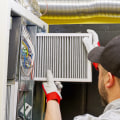
1. Clean or Replace Your Air Filter
Do this immediately.
Clean airflow reduces strain and overheating.
2. Check Vents, Returns & Drain Line
Ensure vents are open and unblocked.
Pour 1 cup of vinegar into the drain line to prevent clogs.
3. Watch for Early Warning Signs
Longer cooling cycles
Warm spots
Ice on lines
Unusual noises or smells
Schedule service if you notice any.
4. Book a Professional Tune-Up
Technicians can catch leaks, weak capacitors, dirty coils, and airflow issues.
Tune-ups significantly cut heatwave-related failures.
5. Verify Contractor Credentials Before Hiring
Use DBPR and FDACS to confirm licensing and complaint history.
Avoids poor workmanship and repeat breakdowns.
FAQ on “HVAC Repair in Clermont”
1. Why do AC systems fail during Clermont heatwaves?
A: Heatwaves expose small issues fast. Dirty filters, weak capacitors, and low refrigerants become major failures after 2–3 days of nonstop cooling.
2. How do I know if I should repair or replace my system?
A: If your system is 10–12+ years old or needs multiple repairs each season, replacement is usually more cost-effective. A technician can confirm by checking efficiency and wear.
3. Are repair wait times longer during heatwaves?
A: Yes. Emergency call volume often doubles, especially by day two of extreme heat. Calling early helps you avoid long wait times.
4. What should I check before calling for repair?
A: Replace your filter, open all vents, clear debris from the outdoor unit, and check for ice on refrigerant lines. These simple checks solve many common issues.
5. How can I verify an HVAC contractor is legitimate?
A: Use Florida DBPR to confirm licensing and FDACS to review complaint history. Verified contractors help prevent poor workmanship and repeat breakdowns.Here is the nearest branch location serving the Cooper City FL area…
Filterbuy HVAC Solutions - Weston FL
2573 Mayfair Ln, Weston, FL 33327
(754) 296-3528