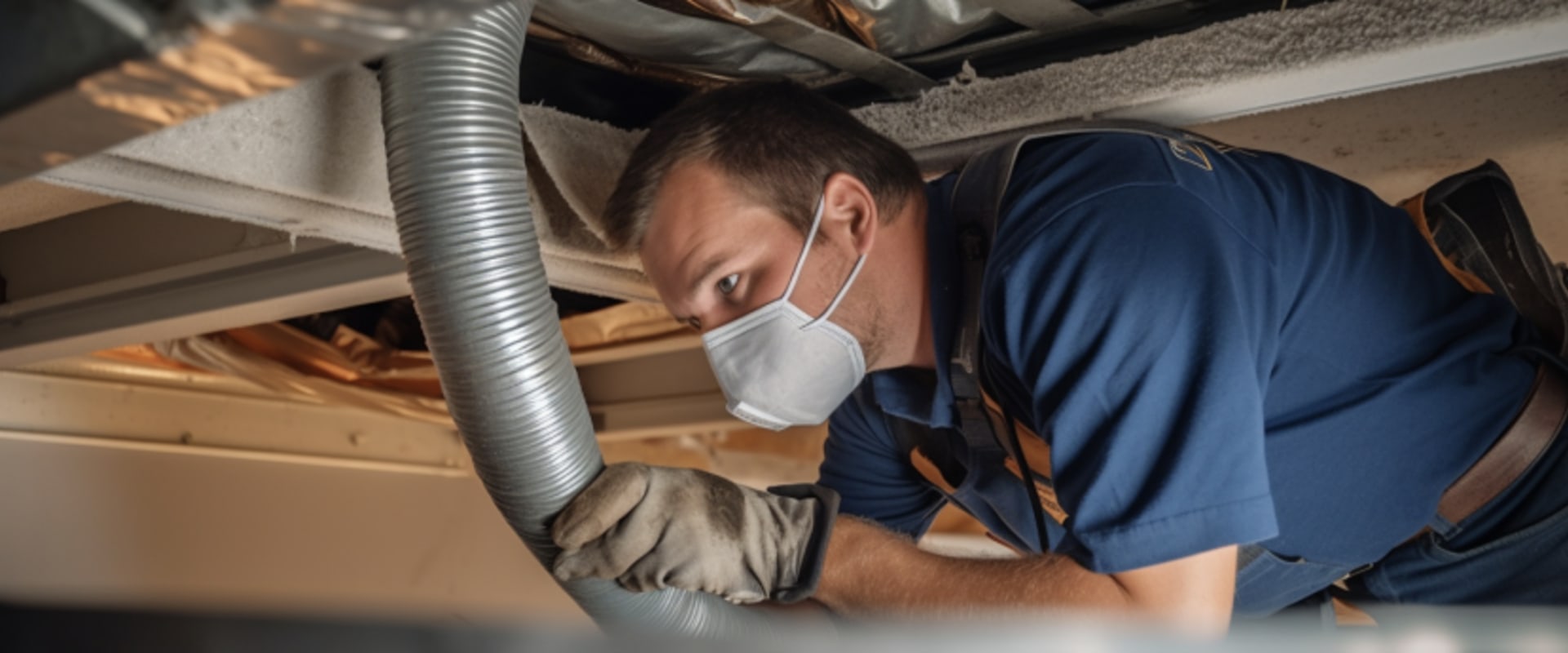
We’ve walked into a lot of Winter Garden homes where the homeowner was ready to replace their HVAC unit. More often than not, the system was fine. The ducts weren’t.
That pattern comes up regularly in neighborhoods built in the 1980s and 1990s, when duct tape at the joints was standard practice across Central Florida. It was never the right material for the job, and by now, much of it has dried out and given up. If you’re in one of those homes and your system doesn’t seem to be doing what it should, the ductwork is usually where we’d start looking.
A higher-than-usual Duke Energy Florida bill, rooms that won’t cool regardless of the thermostat setting, or a system that runs in long cycles without ever reaching temperature are all signs worth taking seriously. Air duct repair in Winter Garden is one of the most common calls we handle, and those signs are almost always present before homeowners put the pieces together. For background on the city and its residential landscape, Winter Garden, Florida covers the community’s growth and geography.
TL;DR Quick Answers
What should I know about air duct repair in Winter Garden?
Air duct repair in Winter Garden addresses leaks, separations, and damage in the ductwork that distributes conditioned air through your home. Central Florida's year-round cooling demand and high attic temperatures accelerate wear on duct connections and flexible duct liner — particularly in homes built between the 1970s and early 2000s, where duct tape at joints has dried out and failed. A licensed HVAC contractor verifiable through Florida DBPR should perform any repair, and Orange County requires a mechanical permit for ductwork modification. Common signs you need repair: uneven room temperatures, rising Duke Energy Florida bills without a usage change, dust buildup at supply registers, and an HVAC system that runs long cycles without reaching the set temperature. Duct sealing and repair can recover up to 20 percent of lost system efficiency.
Top Takeaways
Uneven room temperatures and longer HVAC run times are the two most reliable early warning signs of duct damage in Winter Garden homes.
Duct tape used at joints in older Central Florida construction fails over time. Mastic sealant is the correct standard for lasting repairs.
Leaky ducts don’t just raise your Duke Energy Florida bill. They can pull unconditioned attic air, humidity, and dust into your living spaces.
Both residential and commercial duct repair in Winter Garden falls under Florida DBPR licensing requirements. Any contractor you hire should be verifiable through MyFloridaLicense.com.
A ductwork inspection should come before any HVAC equipment upgrade. In our experience, the ducts are often the source of the problem, not the unit itself.
Uneven Airflow or Hot and Cold Spots Between Rooms
One of the clearest signals we see in Winter Garden homes is a consistent temperature difference between rooms: the bedroom at the end of the hall stays comfortable, while the room next to it never quite catches up. Most homeowners chalk this up to the thermostat or the HVAC unit itself, but in our experience, the ductwork is frequently the culprit.
When ducts develop leaks or separations, conditioned air escapes before it reaches the intended registers. Rooms at the end of longer duct runs tend to suffer the most. In Florida’s year-round cooling climate, that imbalance is a sign your system is losing capacity somewhere between the air handler and the room.
If adjusting your thermostat doesn’t resolve the problem and your HVAC unit is otherwise in good shape, a pressure differential test or duct blaster diagnostic can tell us exactly where the loss is occurring.
Unexplained Increases in Your Duke Energy Florida Bill
An HVAC system with leaking or disconnected ducts has to run longer to reach the set temperature because it’s constantly losing conditioned air into unconditioned spaces, typically the attic in Central Florida homes. That extended run time shows up on your Duke Energy Florida bill, sometimes gradually and sometimes in a more noticeable jump between billing cycles.
We find that homeowners in Winter Garden often attribute rising energy costs to the Florida heat or a failing HVAC unit, but the ductwork deserves a closer look first. A well-sealed duct system delivers conditioned air efficiently. A leaking one makes your equipment work harder for the same result.
If you’ve noticed your bill climbing without any change in thermostat settings or household occupancy, a ductwork inspection is a reasonable first step before committing to any equipment replacement.
Visible Dust, Debris, or Musty Odors at Supply Registers
When duct joints separate or liner material deteriorates, ducts can begin pulling air from unconditioned attic cavities, wall interiors, and crawl spaces, delivering it into your living areas. In Florida’s humidity, that pulled air often carries dust, particulates, and the kind of musty odor that signals moisture intrusion or biological growth inside the duct system.
We’ve walked into Winter Garden homes where the registers were visibly coated with dust accumulation well ahead of any normal filter-change cycle. That pattern, combined with an odor that doesn’t clear after cleaning, is a reliable signal that something is wrong in the duct system rather than just on the surface.
Persistent odors and accelerated dust buildup aren’t cosmetic problems. They’re evidence of a duct integrity issue that directly affects the air quality throughout your home.
Whistling, Rattling, or Popping Noises from Ductwork
Metal ductwork expands and contracts with temperature changes, so some noise is normal. But whistling at registers or from duct runs, rattling that starts when the blower kicks on, or popping sounds that repeat with each cycle are worth paying attention to.
Whistling usually means air is escaping through a gap or separation under pressure. Rattling often indicates loose duct sections, disconnected joints, or, in older Central Florida homes, a flexible duct that has partially collapsed. Popping can signal rapid pressure changes caused by blockages or restriction in the duct run.
None of these sounds resolve on their own. In our experience, they tend to worsen as the underlying issue progresses, and catching them early makes the repair considerably more straightforward.
Increased Allergy or Respiratory Symptoms Indoors
Ductwork that has developed cracks, separations, or gaps can pull air from attic spaces where dust, insulation fibers, mold spores, and other particulates accumulate. When that air moves through your living spaces, it can aggravate allergies and respiratory conditions, particularly for children, older adults, or anyone with asthma.
In Central Florida’s climate, attic temperatures regularly exceed 130°F in summer, which creates conditions where biological growth can take hold on duct liner material. Homeowners often notice the problem most when the HVAC system has been running for a while and the house feels stuffy even with air circulating.
If household members are experiencing more frequent respiratory irritation indoors than outdoors, and the pattern tracks with the HVAC running, it’s worth scheduling a duct inspection.
HVAC System Running Longer Cycles Without Reaching Set Temperature
An HVAC system that runs continuously but never quite gets the house down to the set temperature is a system under strain. In some cases, the issue is equipment capacity or refrigerant. But when we run a ductwork inspection on systems like this in Winter Garden homes, we often find that significant conditioned air is escaping through leaks before it reaches the living spaces.
The practical effect is that the system compensates by running longer, raising energy costs, adding wear to the compressor and blower, and shortening the overall service life of the equipment. It’s a slow, quiet failure mode that doesn’t announce itself with a visible breakdown.
If your system is running longer cycles and your home isn’t reaching temperature, have the ductwork evaluated before assuming the equipment needs replacement. In our experience, it saves homeowners from unnecessary equipment costs more often than not.

“In Winter Garden homes—especially those built in the 1980s and 1990s—we find that duct tape at the joints has dried out and is no longer sealing, which means conditioned air is escaping into the attic on nearly every run cycle; that’s the first place we check when a homeowner can’t figure out why their energy bill keeps climbing.”
Essential Resources
1. How to Know If Your Ducts Actually Need Professional Attention
The EPA's consumer guide on air duct cleaning walks through the specific conditions that warrant professional service, what warning signs to take seriously, and the questions to ask any contractor before authorizing work.
Source: U.S. Environmental Protection Agency
URL: www.epa.gov/indoor-air-quality-iaq/should-you-have-air-ducts-your-home-cleaned
2. Why Leaky Ducts Cost More Than Your Energy Bill Suggests
The Department of Energy explains how duct leakage works, why mastic sealant outlasts duct tape, and which repair methods meet current standards — with direct relevance to the attic duct runs common in Central Florida homes.
Source: U.S. Department of Energy — Energy Saver
URL: www.energy.gov/energysaver/minimizing-energy-losses-ducts
3. The Efficiency and Safety Case for Repairing Your Ductwork
ENERGY STAR documents that leaky ducts can cut heating and cooling efficiency by up to 20 percent and explains how unsealed duct runs can create back-drafting risks with fuel-burning appliances.
Source: ENERGY STAR
URL: www.energystar.gov/saveathome/heating-cooling/duct-sealing/benefits
4. How to Find a Certified Duct Repair Contractor Near Winter Garden
NADCA's ZIP-code contractor search returns companies with active Air Systems Cleaning Specialist (ASCS) certification — the industry standard for residential and commercial duct work in Florida.
Source: National Air Duct Cleaners Association
URL: http://nadca.com/find-a-professional
5. Verify Any Florida HVAC Contractor's License Before Work Begins
Florida law requires all HVAC contractors to hold a current DBPR license. This official state search tool returns license status, expiration date, and disciplinary history by contractor name or license number.
Source: Florida Department of Business and Professional Regulation
URL: http://www2.myfloridalicense.com
6. What Orange County Requires Before Your Duct Repair Job Starts
Orange County — which covers Winter Garden — requires a mechanical permit for HVAC modification and ductwork changes. This page covers what triggers a permit, how to check status, and how to verify a contractor's license through the county's Fast Track system.
Source: Orange County Division of Building Safety
URL: www.orangecountyfl.net/PermitsLicenses/DivisionOfBuildingSafety.aspx
Supporting Statistics
In a typical home, 20 to 30 percent of the air moving through the duct system is lost to leaks, holes, and poorly connected ducts, raising utility bills and making it harder to keep the home comfortable regardless of thermostat setting.
Source: ENERGY STAR, Duct Sealing
Leaky ducts can reduce the efficiency of a home’s heating and cooling system by as much as 20 percent, a loss that shows up directly in monthly energy costs and accelerated equipment wear.
Source: ENERGY STAR, Benefits of Duct Sealing
EPA studies indicate that indoor levels of some pollutants may be two to five times, and occasionally more than 100 times, higher than outdoor levels, with HVAC duct integrity among the contributing factors affecting indoor air quality.
Source: U.S. Environmental Protection Agency, Why IAQ is Important
Final Thoughts and Opinion
In our experience working on duct systems across Winter Garden and Orange County, the warning signs we’ve covered here don’t usually appear all at once. More often, it starts with one thing, a room that won’t cool down or a bill that doesn’t add up, and homeowners live with it for a while before putting the pieces together.
That’s worth saying plainly: duct problems don’t resolve on their own, and they tend to get more involved the longer they go. A duct system losing 20 percent or more of its conditioned air is costing you money on your Duke Energy Florida bill and adding wear to equipment that isn’t cheap to replace.
Central Florida’s climate makes duct integrity more important, not less. Year-round cooling demand means the system is running more hours than it would in most other parts of the country, and that run time accelerates any existing duct wear. If what you’ve read here sounds familiar, we’d recommend starting with a professional inspection before drawing any conclusions about your equipment. In many cases, the ducts are the fix.

Frequently Asked Questions
Can I repair air ducts myself in a Winter Garden home?
Some accessible duct sections can be sealed by a homeowner using mastic sealant or foil-backed tape, both more reliable options than standard duct tape, which dries out and fails over time. That said, most duct damage in Central Florida homes occurs in attic spaces or behind walls where access is limited and proper technique matters. For anything beyond a visible surface repair, a Florida DBPR-licensed HVAC contractor is the right call.
How long does residential air duct repair take?
Most residential duct repair jobs in Winter Garden are completed in a single visit, typically ranging from a few hours to a full day depending on the extent of the damage and the accessibility of the duct runs. Systems with widespread leakage or collapsed flex duct sections may require more time. We can give you a more specific estimate after an on-site inspection.
What’s the difference between duct repair and duct sealing?
Duct repair addresses structural damage: separated joints, collapsed sections, disconnected runs, or damaged flex duct. Duct sealing focuses on closing gaps and leaks at joints and connections using mastic sealant or foil tape to prevent conditioned air from escaping. Many jobs in Winter Garden homes involve both: repairing the physical damage first, then sealing the connections to restore full system integrity.
Does homeowners insurance cover air duct damage in Florida?
In most cases, standard homeowners insurance in Florida covers duct damage caused by a specific, sudden event like storm damage or a pest intrusion traceable to a covered peril. Insurers typically exclude gradual wear, age-related deterioration, and maintenance-related failures. We recommend reviewing your policy and speaking directly with your insurer before assuming coverage applies to your situation.
How often should ductwork be inspected in Central Florida?
For most Central Florida homes, a ductwork inspection every three to five years is a reasonable baseline, though homes with older systems, high occupancy, or known moisture issues may benefit from more frequent checks. If your system is running longer cycles or your energy bills have increased without explanation, that’s a signal to have the ductwork evaluated sooner rather than waiting for a scheduled interval.
When Your HVAC System Is Showing the Signs, We're Ready to Help.
Schedule your air duct repair inspection in Winter Garden and we'll tell you exactly what your system needs.Here is the nearest branch location serving the Homestead FL area…
Filterbuy HVAC Solutions - Miami FL
1300 S Miami Ave Unit 4806, Miami, FL 33130
(305) 306-5027